The cervical canal is a passageway. Blood flows from the uterus through the canal into the vagina during a woman's menstrual period. The cervix also produces mucus. The mucus helps sperm move from the vagina into the uterus. During pregnancy, the cervix is tightly closed to help keep the baby inside the uterus. During childbirth, the cervix dilates (opens) to allow the baby to pass through the vagina.
What is cancer?
Cancer begins in cells, the building blocks that make up tissues. Tissues make up the organs of the body.
Normally, cells grow and divide to form new cells as the body needs them. When cells grow old, they die, and new cells take their place.
Sometimes, this orderly process goes wrong. New cells form when the body does not need them, and old cells do not die when they should. These extra cells can form a mass of tissue called a growth or tumor.
Tumors can be benign or malignant:
· Benign tumors are not cancer:
- Benign tumors are rarely life-threatening.
- Generally, benign tumors can be removed, and they usually do not grow back.
- Cells from benign tumors do not invade the tissues around them.
- Cells from benign tumors do not spread to other parts of the body.
- Polyps, cysts, and genital warts are types of benign growths on the cervix.
· Malignant tumors are cancer:
- Malignant tumors are generally more serious than benign tumors. They may be life-threatening.
- Malignant tumors often can be removed. But sometimes they grow back.
- Cells from malignant tumors can invade and damage nearby tissues and organs.
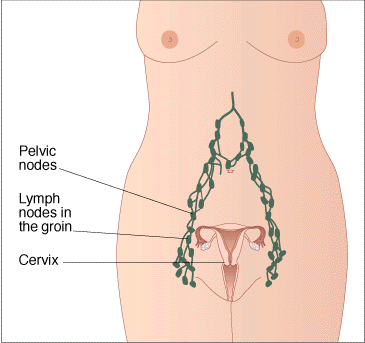
- Cells from malignant tumors can spread (metastasize) to other parts of the body. Cancer cells spread by breaking away from the original (primary) tumor and entering the bloodstream or lymphatic system. The cells invade other organs and form new tumors that damage these organs. The spread of cancer is called metastasis.
When cancer spreads from its original place to another part of the body, the new tumor has the same kind of abnormal cells and the same name as the primary tumor. For example, if cervical cancer spreads to the lungs, the cancer cells in the lungs are actually cervical cancer cells. The disease is metastatic cervical cancer, not lung cancer. For that reason, it is treated as cervical cancer, not lung cancer. Doctors call the new tumor "distant" or metastatic disease.
Risk factors and causes of cervical cancer
Doctors cannot always explain why one woman develops cervical cancer and another does not. However, we do know that a woman with certain risk factors may be more likely than others to develop cervical cancer. A risk factor is something that may increase the chance of developing a disease.
Studies have found a number of factors that may increase the risk of cervical cancer. These factors may act together to increase the risk even more:
- Human papillomaviruses (HPVs): HPV infection is the main risk factor for cervical cancer. HPV is a group of viruses that can infect the cervix. HPV infections are very common. These viruses can be passed from person to person through sexual contact. Most adults have been infected with HPV at some time in their lives. Some types of HPV can cause changes to cells in the cervix. These changes can lead to genital warts, cancer, and other problems. Doctors may check for HPV even if there are no warts or other symptoms.
If a woman has an HPV infection, her doctor can discuss ways to avoid infecting other people. The Pap test can detect cell changes in the cervix caused by HPV. Treatment of these cell changes can prevent cervical cancer. There are several treatment methods, including freezing or burning the infected tissue. Sometimes medicine also helps.
- Lack of regular Pap tests: Cervical cancer is more common among women who do not have regular Pap tests. The Pap test helps doctors find precancerous cells. Treating precancerous cervical changes often prevents cancer.
- Weakened immune system (the body's natural defense system): Women with HIV (the virus that causes AIDS) infection or who take drugs that suppress the immune system have a higher-than-average risk of developing cervical cancer. For these women, doctors suggest regular screening for cervical cancer.
- Age: Cancer of the cervix occurs most often in women over the age of 40.
- Sexual history: Women who have had many sexual partners have a higher-than-average risk of developing cervical cancer. Also, a woman who has had sexual intercourse with a man who has had many sexual partners may be at higher risk of developing cervical cancer. In both cases, the risk of developing cervical cancer is higher because these women have a higher-than-average risk of HPV infection.
- Smoking cigarettes: Women with an HPV infection who smoke cigarettes have a higher risk of cervical cancer than women with HPV infection who do not smoke.
- Using birth control pills for a long time: Using birth control pills for a long time (5 or more years) may increase the risk of cervical cancer among women with HPV infection.
- Having many children: Studies suggest that giving birth to many children may increase the risk of cervical cancer among women with HPV infection.
Diethylstilbestrol (DES) may increase the risk of a rare form of cervical cancer and certain other cancers of the reproductive system in daughters exposed to this drug before birth. DES was given to some pregnant women in the United States between about 1940 and 1971. (It is no longer given to pregnant women.)
Women who think they may be at risk for cancer of the cervix should discuss this concern with their doctor. They may want to ask about a schedule for checkups.


